Distressed Plaid Pattern Backgrounds: A Textured Design Toolkit
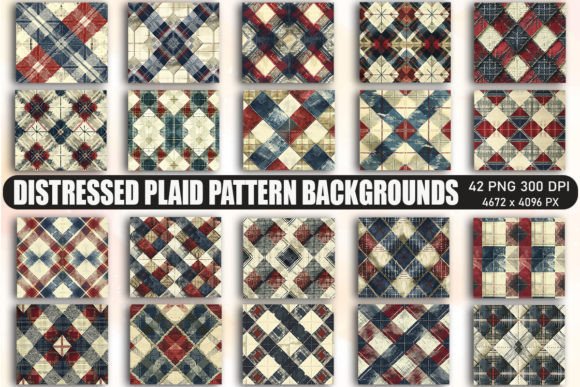
There's a particular quality to a well-worn tartan that digital perfection can't replicate. It speaks of heritage, comfort, and a story already in progress. This collection of Distressed Plaid Pattern Backgrounds captures that essence, offering a versatile set of textures for designers who want to add depth, warmth, and a touch of vintage character to their work. It's less about a single look and more about providing a foundational layer that can shift a project's tone from sterile to soulful.
Understanding the Visual Language
The patterns here are defined by their intentional imperfections. Think of a classic British plaid or tartan that has been softened by time—the colors slightly muted, the sharp lines of the weave giving way to a gentle wear. This isn't a pristine, vector-perfect grid. Instead, you'll find subtle variations in texture, slight fading, and a grunge overlay that prevents the design from feeling flat or overly digital. The personality is one of authentic, rugged elegance. It carries a vintage sensibility without feeling dated, making it suitable for both nostalgic projects and contemporary designs that seek an organic, tactile feel.
The appeal lies in its versatility. A distressed English plaid pattern can evoke a cozy, cabin-like atmosphere for a lifestyle brand, while a more faded, muted tartan can lend sophisticated depth to editorial layouts or luxury packaging. The "worn" quality helps patterns integrate seamlessly into designs, acting as a supporting player rather than a demanding focal point. This allows other elements—typography, imagery, or product shots—to take center stage while still benefiting from the rich backdrop.
Practical Applications Across Creative Fields
For graphic designers and brand strategists, these vintage tartan plaid texture backdrops are a powerful tool for building layered brand identities. They work exceptionally well for businesses in the lifestyle, heritage, outdoors, food and beverage, or artisanal product spaces. Imagine a coffee roaster using a subtle plaid texture on their packaging labels or a boutique clothing brand incorporating it into their social media graphics. The pattern instantly communicates a certain quality and story.
Here’s where this asset set finds its strongest footing:
- Brand Identity & Packaging: Use the textures on business cards, letterheads, product labels, and shopping bags to create a cohesive, tactile brand experience.
- Editorial & Web Design: Serve as website section backgrounds, blog post headers, or magazine layout elements to add visual interest without overwhelming content.
- Marketing & Social Media: Create engaging banners, Instagram story backgrounds, or Facebook ad visuals that stand out in a crowded feed with their unique texture.
- Print & Stationery: Perfect for crafting greeting cards, wedding invitations, scrapbooking pages, and DIY project backgrounds where a handmade, vintage feel is desired.
The key is matching the pattern's personality to your project's message. A grunge English plaid design might suit a rugged, outdoor adventure brand, while a softer, faded tartan style plaid texture could be ideal for a classic publisher or a cozy home decor line.
Working with the Assets: A Designer's Perspective
Included in this package are 42 high-resolution PNG files, each approximately 4672 x 4096 pixels at 300 DPI. This size is a significant practical advantage. It provides ample resolution for large-format printing—think posters, banners, and trade show graphics—while remaining easily scalable for digital use without pixelation. As a designer, having assets at this resolution saves considerable time versus trying to upscale lower-quality images.
When integrating these worn British style plaid pattern prints into your workflow, consider a few practical points:
- Evaluate Project Fit: Does the project's tone align with the heritage and texture of plaid? It's a strong stylistic choice that won't suit every minimalist or ultra-modern aesthetic, but when it fits, it elevates the work.
- Test with Typography: Pair these backgrounds with clean, modern typefaces—both serif fonts and sans serif fonts—for optimal readability. A bold, simple display font often works beautifully against a textured backdrop. Avoid overly ornate script fonts or detailed handwritten fonts that might get lost in the pattern.
- Manage Color and Layering: Since the files are PNGs with a transparent or solid background, you can easily adjust their opacity or blend them with other colors and gradients in your design software. This allows you to customize the warmth and intensity to match your specific color palette.
- Understand the Format: Remember, these are raster (pixel-based) images, not vector SVG files. They are not layered for cutting machines like a Cricut. Their strength is as a textured background, not as a cuttable design element. Always check color representation on your specific monitor and printer, as output can vary.
This collection functions as a set of premium design assets. It’s not a single font, but a complementary toolkit that can be used repeatedly across a brand's ecosystem to maintain visual consistency. Using a consistent texture like this across a company's website, packaging, and social media creates a subtle but powerful sense of cohesion that strengthens brand identity and recognition. It moves your design from simply looking good to feeling intentional and professional.
For the entrepreneur or small business owner, investing in a high-quality, versatile asset like this can be more economical than commissioning custom textures for every project. It provides a library of options to experiment with, helping to define and refine your brand's visual language over time. Whether you're a seasoned designer looking for a new texture to add to your arsenal or a business owner crafting your own materials, these distressed plaid pattern backgrounds offer a practical, stylish, and rich foundation for countless creative endeavors.