Elevate Your Projects with 20 Nicely Backgrounds & Mystic Arts
When you are building a brand or launching a new digital campaign, the background is often the unsung hero of the composition. It sets the stage, defines the mood, and ensures your foreground content pops. However, finding high-quality, versatile backgrounds that don't look generic can be a challenge. This is where the collaboration between Zaimfuls Mystic Arts and the "20 Nicely Backgrounds" collection comes into play, offering a robust suite of design assets that blend artistic flair with technical precision. For designers, entrepreneurs, and content creators, having a library of reliable, high-resolution backgrounds is not just a convenience; it is a strategic necessity for maintaining a professional image across various mediums.
Technical Specifications That Matter for Print and Web
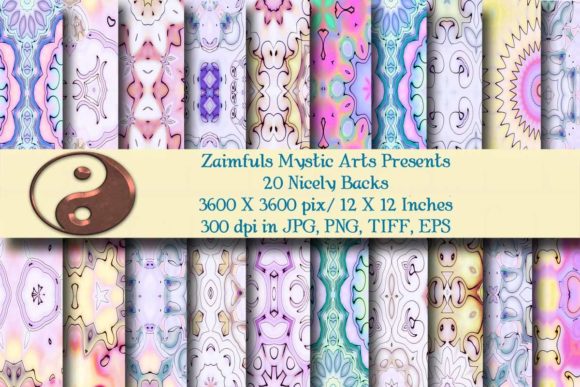
One of the most common frustrations in the design world is finding a beautiful graphic only to discover it falls apart at the print stage. The "20 Nicely Backgrounds" collection addresses this head-on with specifications designed for serious commercial use. Every image in this set is delivered at a massive 3600x3600 pixels, translating to a crisp 12x12 inches at 300 DPI. This resolution is the industry standard for high-fidelity printing, ensuring that whether you are creating wall art, apparel, or physical stickers, the final product retains its sharpness and depth.
The versatility of the file formats—JPG, TIFF, EPS, and PNG—further cements this collection's utility. For digital designers working on websites or social media graphics, the JPG and PNG formats offer quick load times and broad compatibility. Meanwhile, the EPS and TIFF files are indispensable for print designers and those working in advanced editing software like Adobe Illustrator or Photoshop. This flexibility allows for seamless integration into your existing workflow, whether you are a small business owner designing your own packaging or a professional publisher working on a tight deadline. You aren't just buying images; you are acquiring adaptable design assets that bridge the gap between digital and physical media.
Aesthetic Versatility: From Digital Scrapbooking to Brand Identity
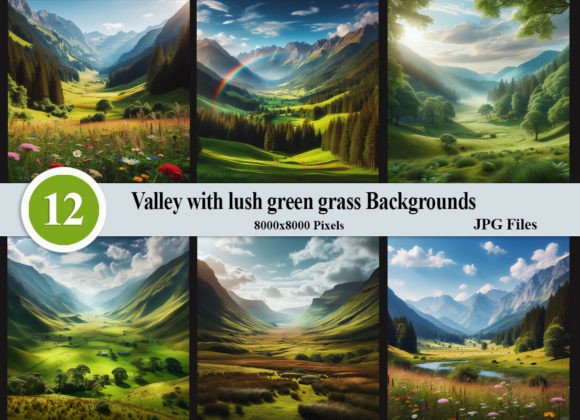
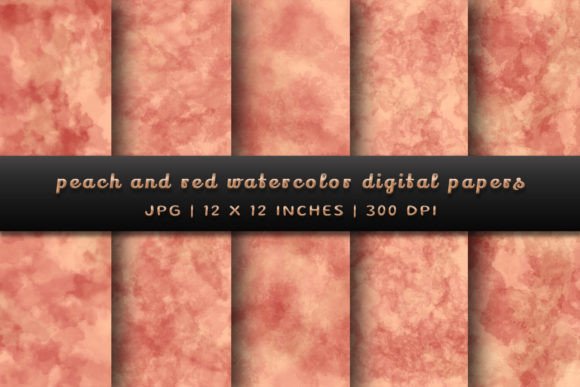
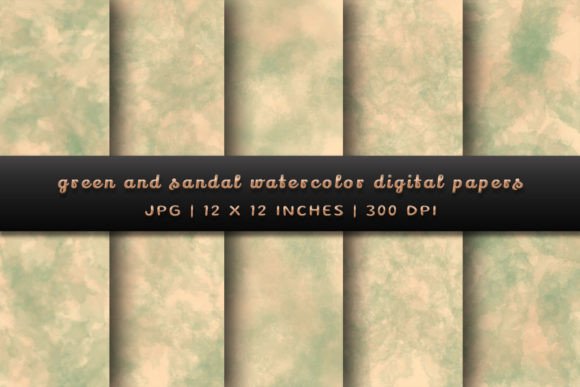
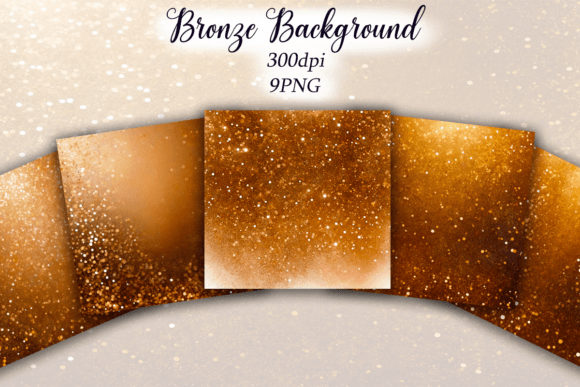
The visual personality of these backgrounds leans heavily into the "Mystic Arts" branding, suggesting textures, colors, and compositions that evoke depth and intrigue. While the specific visual style varies, the underlying theme suggests a richness that can elevate a flat design into something tactile and immersive. For crafters and hobbyists, these files are perfect for digital card making or scrapbooking, providing a sophisticated base layer that complements photos and text. The 12x12 inch dimension is particularly popular in the crafting community, making these files ready-made for standard scrapbook pages without the need for awkward cropping.
However, the application extends far beyond personal hobbies. In the realm of brand identity, a consistent background texture can become a signature element of your visual language. Imagine using a subtle, high-resolution texture from this collection across your website headers, email newsletter banners, and physical business cards. This repetition creates a cohesive visual hierarchy that subconsciously signals reliability and attention to detail to your audience. For packaging design, these backgrounds can wrap a product box, transforming a plain container into a premium unboxing experience. The key is recognizing that a background is not merely empty space; it is an active participant in the storytelling process.
Practical Integration: Using Backgrounds in Modern Typography and Layout
When incorporating these backgrounds into your projects, the interplay between the image and your typography is critical. A busy or high-contrast background can wreak havoc on readability if not handled correctly. This is where understanding modern typography principles becomes essential. If you are overlaying text on one of these backgrounds, you need to ensure sufficient contrast. For instance, pairing a textured background with a clean sans serif font often works well because the simplicity of the typeface balances the complexity of the image. Conversely, if the background is subtle, a delicate script font or serif font might be appropriate for headlines to add a touch of elegance.
Consider the practical application for a blogger or publisher. A "Nicely Background" can serve as the base for a quote graphic or a featured image. To maintain professionalism, avoid placing text directly over the busiest part of the image. Instead, use a semi-transparent overlay or a text box with a solid fill to separate your message from the artwork. This technique preserves the aesthetic appeal of the background while ensuring your content remains the focal point. For social media graphics, where attention spans are short, the background should support the message, not compete with it. The high resolution of these files means you can zoom in and crop specific sections to create unique focal points for different posts, ensuring variety even within a single design asset.
Commercial Applications: Monetizing Your Creativity
For entrepreneurs and small business owners, the commercial viability of design assets is a primary concern. The "20 Nicely Backgrounds" collection is explicitly useful for commercial applications, including printing on merchandise like mugs, t-shirts, and wall art. The scalability of the 300 DPI files ensures that your products look professional, regardless of the medium. When you print a design on a mug, the image wraps around the curve; if the resolution is low, the pixelation becomes glaringly obvious. With 3600x3600 pixels, you have ample room to adjust the design to fit various product templates without losing quality.
Furthermore, for those involved in web design, these textures can add depth to a site that might otherwise feel flat or sterile. A subtle paper texture behind a "About Me" section can add warmth and personality, making the brand feel more human. This approach aligns with the current trend in creative font usage and web aesthetics, where designers are moving away from sterile minimalism toward designs that feel more tactile and organic. By utilizing these backgrounds, you are equipping yourself with a toolkit that supports both your creative vision and your commercial goals, ensuring that every project you touch reflects a standard of quality that your audience will recognize and trust.